Content Create By-Obrien Storgaard
If you're considering vision adjustment, you may really feel overwhelmed by the options readily available. Each procedure-- whether it's LASIK, PRK, SMILE, EVO ICL, or lens substitute-- caters to various requirements and conditions. Understanding which one matches you best is important for attaining optimum outcomes. As you explore these choices, you'll find crucial factors that can affect your decision and recovery process. So, what do you need to know to make an enlightened option?
Common Vision Problems and Refractive Surgery
Many people experience typical vision problems like nearsightedness, farsightedness, and astigmatism, which can prevent daily tasks.
If you locate on your own squinting to check out road signs or struggling to see your computer system display plainly, you're not alone. These issues develop from how your eye concentrates light, bring about blurred vision.
You might rely on glasses or get in touch with lenses to handle these problems, however they can be bothersome.
Refractive surgical treatment supplies a possible solution by reshaping the cornea or dental implanting lenses to improve your vision permanently.
While it won't help everybody, several individuals enjoy more clear view and better flexibility without the problem of rehabilitative eyeglasses.
Recognizing your choices is critical to making a notified choice about your eye health.
Which Refractive Surgery Is Right for You?
Exactly how do you choose the right refractive surgical treatment for your vision requires? Beginning by assessing your certain vision issues-- are you myopic, farsighted, or have astigmatism?
Next off, consider your way of living; as an example, if you're energetic in sports, LASIK might be a fantastic fit as a result of its fast recovery.
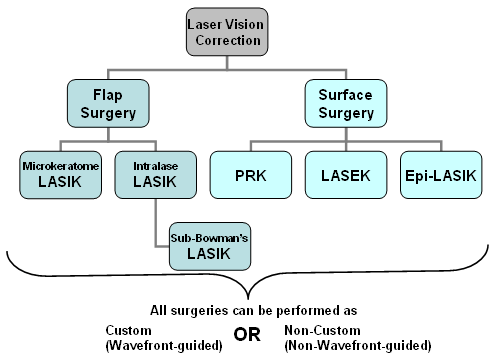
PRK is ideal if you have thinner corneas, while SMILE provides a much less intrusive option with very little pain.
If you're not a great prospect for these procedures, EVO ICL might be suitable, specifically for higher prescriptions.
Last but not least, speak with a knowledgeable eye specialist who can assess your eyes and go over the possible threats and benefits of each option, helping you make an informed selection tailored to your demands.
Understand Recovery and Aftercare for Refractive Surgery
Understanding healing and aftercare for refractive surgery is important for attaining the very best possible results.
After your procedure, you'll likely experience some discomfort, yet this normally subsides rapidly. Follow your surgeon's guidelines carefully-- take recommended eye goes down to stop infection and decrease inflammation.
Prevent massaging your eyes, and wear any type of protective eyewear as routed. Provide your eyes time to heal; it may take a few days to see significant vision renovation. Restriction screen time and bright lights at first to prevent stress.
Participate in all follow-up visits to monitor your progress. Keep in mind, every person's healing procedure is different, so hold your horses.
If you experience uncommon signs and symptoms, like extreme discomfort or vision adjustments, call your doctor promptly. Your positive care helps make sure a smooth recovery.
Verdict
To conclude, picking the appropriate refractive surgical treatment can dramatically improve your vision and quality of life. Whether you go with LASIK, PRK, SMILE, EVO ICL, or lens substitute, it's necessary to speak with your eye treatment professional to discover the very best suitable for your needs. Remember to prioritize your recovery and follow aftercare instructions carefully to make sure the best outcomes. With the right procedure, you can look forward to more clear vision and better freedom from glasses or contacts.